Dumbbell Rack vs Dumbbell Storage Tray: Pros, Cons & UK Recommendations
If you've just bought a set of dumbbells or you're thinking about it, you've probably wondered: where do they actually go? Whether you're storing a modest 2–20 kg set in a spare bedroom, home gym corner, or garage, you'll quickly realise that loose weights on the floor aren't ideal. Two main storage solutions dominate the UK market: the humble storage tray and the more imposing dumbbell rack. Both have merit, and the right choice depends on your space, budget, and how serious you are about lifting. Let's break down what each offers.
What's the difference?
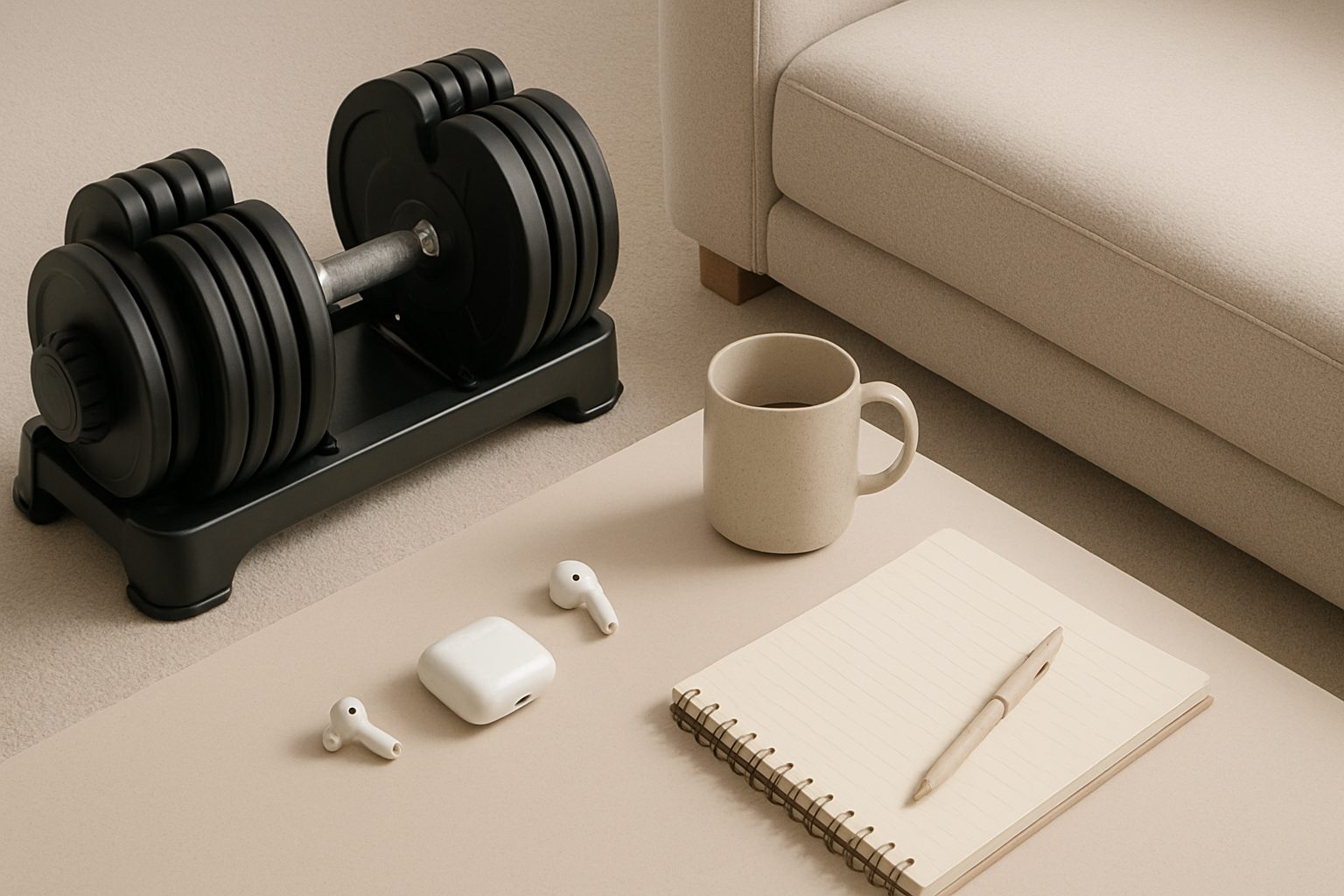
Storage trays are shallow, flat platforms—often plastic or metal—designed to hold dumbbells in a neat row. Think of them as glorified trays that keep your weights contained and organised. Dumbbell racks, by contrast, are vertical or tiered structures with individual slots or a framework to hold each weight separately. One is minimalist; the other is a statement piece.
Storage Trays: Compact and Budget-Friendly
The appeal is immediate. A storage tray takes up minimal floor space—typically 60–120 cm long and 20–30 cm deep—making it ideal for flats, small home gyms, or shared spaces. You can slot them under beds, tuck them into corners, or slide them against a wall. For a beginner with, say, a 2–10 kg dumbbell set, a tray works perfectly fine.
Pros of storage trays:
- Cost: £15–£40 for a decent plastic or metal tray. Significantly cheaper than racks.
- Space-saving: Minimal footprint. Works in tight quarters without dominating the room.
- Easy to move: Light enough to shift around when cleaning or reorganising.
- Flexible: Most trays are basic enough that you can use them for other storage if you ever change your fitness focus.
- Low commitment: If you decide dumbbells aren't for you, you haven't invested heavily.
Cons of storage trays:
- Stability: Weights can shift if the tray tips or isn't on a perfectly level floor. Some plastic trays flex under load.
- Aesthetics: Unless you go for a pricier option, they often look cheap or industrial, not exactly Instagram-worthy.
- Limited capacity: Most trays hold a single row of weights. A full 2–20 kg set with a 2 kg increment might require two trays, eating into your space savings.
- No protection: Dumbbells sit exposed. In damp garages, they'll rust faster. In busy households, they're easy to trip over.
- Dust and clutter: Without a framework, weights collect dust and can look disorganised if you're not fastidious about arrangement.
Dumbbell Racks: Organisation and Durability
A proper dumbbell rack is a different beast. These are typically made from steel or heavy-duty plastic, featuring individual slots or a tiered structure. They're designed to hold dumbbells upright or horizontally, keeping everything organised and accessible. UK brands like Marcy, Sunny Health & Fitness, and CAP Barbell sell racks ranging from basic two-tier models to sprawling vertical towers.
Pros of dumbbell racks:
- Durability: Steel racks last indefinitely. They support weight properly and won't flex or warp.
- Looks professional: A rack signals commitment and organisation. Your home gym actually looks like a gym.
- Protection: Dumbbells are stored safely in individual slots, reducing trip hazards and protecting the floor from damage.
- Efficient use of space: Tiered or vertical racks don't take up much floor space relative to what they hold. A half-sized rack might be just 80 cm wide but accommodate a full set.
- Easy access: Each weight is clearly visible and accessible. No rummaging through a tray.
- Resale value: Good racks hold their value if you sell your kit later.
- Accommodates growth: You can often add weight packs without replacing the rack.
Cons of dumbbell racks:
- Cost: £80–£300 or more for a quality rack. A significant outlay for a beginner.
- Space: Even "compact" racks are bulkier than trays. They occupy visible floor space and can dominate a small room.
- Commitment: Buying a rack signals you're serious about this. It's harder to justify if you're not sure dumbbells suit your training.
- Installation: Some require assembly or bolting to the floor for safety. Not a quick setup.
- Limited flexibility: Once assembled, it's for dumbbells. You can't repurpose it easily.
- Overkill for small sets: If you only own a 2–10 kg pair, a £200 rack is disproportionate.
Which should you choose?
Start with a storage tray if:
- You're brand new to strength training and testing the waters.
- You have a 2–10 kg set or fewer than six pairs of dumbbells.
- Space is extremely tight (flat with one corner available).
- You're unsure whether you'll stick with dumbbells long-term.
- Your budget is under £50.
Invest in a rack if:
- You own or plan to own a 2–20 kg set (or larger).
- You train seriously and want a professional setup.
- You have a dedicated home gym space, even modest.
- You want your equipment protected and organised long-term.
- Aesthetics matter—you want your gym to look intentional.
A practical middle ground
Some lifters buy a tray first, then upgrade to a rack once they're committed. This isn't wasteful; trays still serve as backup storage or for smaller accessories. Alternatively, a mid-range single-tier or two-tier rack (£50–£100) offers a good compromise: better than a tray, cheaper than a full tower, and suitable for 2–20 kg sets.
Final thoughts
There's no universally "best" choice. A storage tray is genuinely practical for casual, space-constrained lifters with modest dumbbell collections. But if you're serious about strength training, have room, and plan to keep growing, a rack is worth the investment. It's more durable, safer, and transforms how organised and professional your setup feels.
Start where you are. A tray costs little and buys you time to decide. A rack is a vote of confidence in your long-term commitment—and if you mean it, that confidence is well spent.
More options
- Mirafit 3-Tier Dumbbell Rack (Amazon UK)
- Body Power Dumbbell Rack (Amazon UK)
- Wall-Mounted Dumbbell Holder Bracket Set (Amazon UK)
- Rubber Hex Dumbbell Set with Rack (Amazon UK)
- Adjustable Dumbbell Stand / Cradle (Amazon UK)