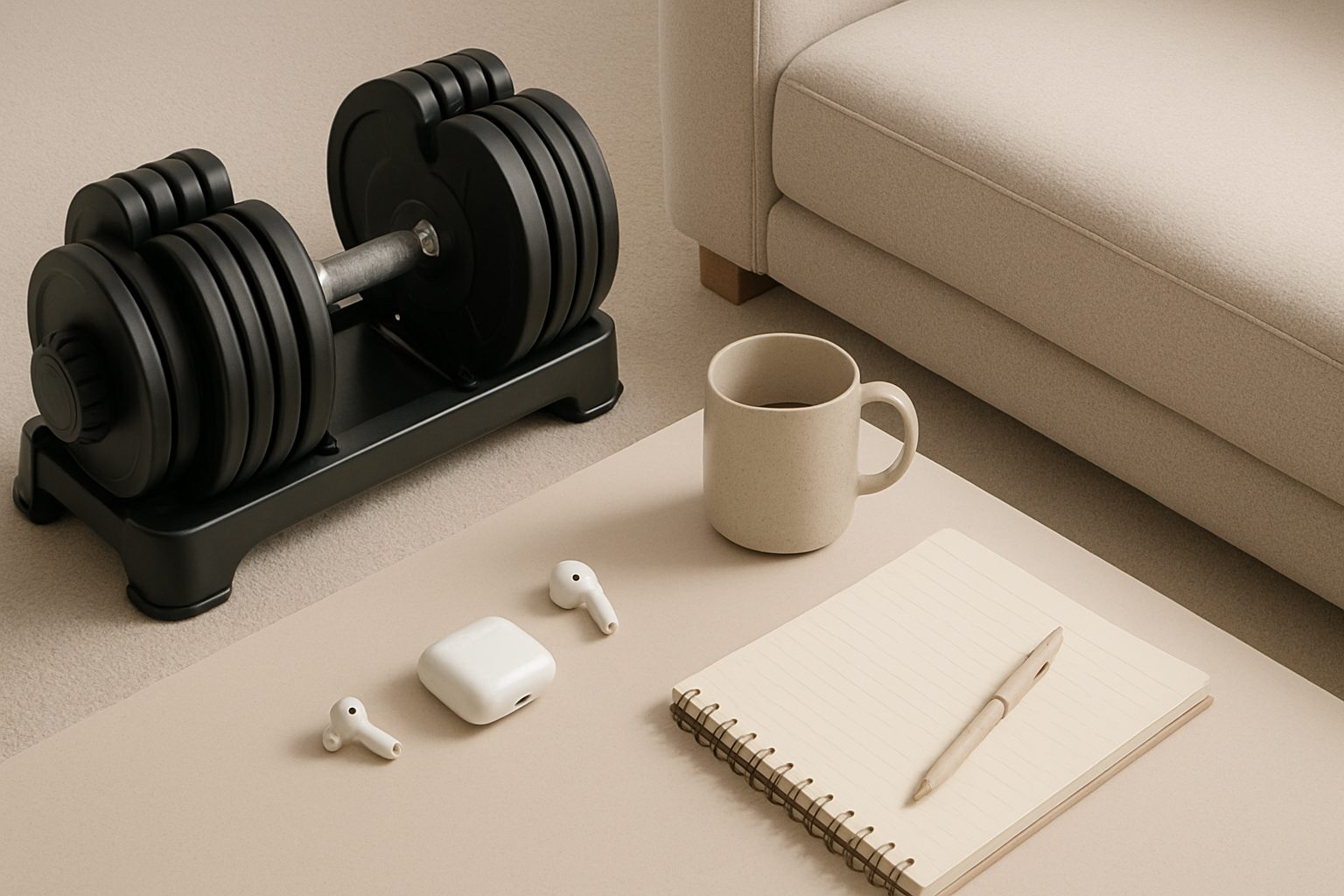
How to Choose a Dumbbell Rack for Your UK Home Gym (Complete Guide)
If you've invested in a set of dumbbells, a proper rack stops them becoming floor clutter and keeps your workout space functional. But dumbbell racks vary wildly—from compact vertical stands to sprawling horizontal systems—and choosing the wrong one wastes money and frustrates daily use. This guide walks you through the key decisions so you pick something that actually fits your space, budget, and collection.
How Much Weight Capacity Do You Actually Need?
Start here because it determines which racks are safe options. Weight capacity refers to the maximum load the entire rack can hold—and manufacturers are usually conservative in their testing.
Add up the total weight of your dumbbells. If you have pairs of 10kg, 15kg, and 20kg, that's 90kg total. Check the rack's stated capacity. Most UK racks claim 50kg to 200kg depending on size and build.
Here's the practical bit: a 100kg capacity rack holding exactly 100kg is at its limit. In real use, movement, vibration, and uneven distribution put stress on weaker points. If your collection totals 80kg, a rack rated 100kg is viable, but 120kg+ gives you headroom and longevity. Think of it as your current dumbbells plus future additions if you're planning to grow your set.
Cheap racks sometimes overstate capacity. Look for sellers who mention the gauge of steel or construction method rather than just quoting a number. Thicker metal and welded frames (not bolted) hold weight more reliably.
Which Rack Type Matches Your Space?
Vertical racks occupy minimal floor footprint—often just 60cm wide—and work in tight home gyms, bedrooms, or garages. They stack pairs vertically, usually in tiered rows. Drawback: you reach high for lighter dumbbells and low for heavier ones if weights aren't arranged logically. They also tip if you pull one dumbbell abruptly without balancing the other side. Best if you have 3–5 pairs and limited floor space.
Horizontal racks lay dumbbells flat on a longer frame, like a bench with handholds. They're more stable and easier to grab any weight quickly, but demand 1.5–2 metres of length. Ideal if you have dedicated gym space and own 8+ pairs.
Hex/corner racks fit into room corners, using wasted space efficiently. They're often wedge-shaped and hold 4–6 pairs. Good compromise between footprint and access if your space is L-shaped.
Dumbbell stands are single-pair holders you position individually. Cheap but scatter your dumbbells across the floor unless you line them up neatly. Only consider if you own two pairs maximum.
Material and Build Quality
Steel with rubber coating is the UK standard. Steel handles load, rubber protects floors and dumbbells, and it's resilient. Make sure the rubber doesn't smell strongly of chemicals when new (poor adhesion suggests corners were cut).
Solid steel without coating costs less but scratches floors and allows dumbbells to clang metal-on-metal, raising noise and vibration. Fine for garage gyms but annoying in flats.
Plastic components on cheaper racks often crack within months under real weight. Plastic feet wear quickly. Avoid racks where the main support uses plastic.
Welded vs. bolted frames: Welded is stronger and more durable. Bolted racks save manufacturing cost but develop flex and creaks as bolts loosen over time. Check whether the frame is welded or bolted before buying.
Floor Space and Placement
Measure your available space before ordering. Vertical racks need roughly 60–80cm wide by 40cm deep; horizontal racks 150–200cm long by 50cm deep. Don't forget you need space to pull dumbbells out and use them, so add another metre of clearance in front.
Check your floor. Uneven garage concrete or old wooden floorboards might mean a lighter rack tips if one side sits lower. Horizontal racks distribute weight more evenly and tolerate uneven floors better. Vertical racks on soft carpet are prone to sinking and tilting.
If you're renting or anxious about marking floors, prioritise racks with rubber feet (non-marking) rather than metal feet.
Budget Considerations
Budget racks (£40–80) hold 50–80kg, feel flimsy, and often rust or wobble within a year. Acceptable only if you're genuinely testing home workouts before committing.
Mid-range racks (£100–200) offer solid steel, rubber coating, and capacity for 10–15 pairs. Most buyers find this tier gives good value. You'll find reputable brands here.
Premium racks (£250+) offer sophisticated designs, specialty materials, or extra features like plate storage. Justifiable if you own 15+ pairs and want a lasting, stable setup.
Don't spend premium money on a rack for a small dumbbell collection. A modest horizontal stand does the job for three pairs just as well as a £300 system.
Quick Decision Tree
- Small flat, few dumbbells (1–4 pairs): Vertical rack, 60–80kg capacity, £60–100
- Growing collection, limited space (5–8 pairs): Corner hex rack, 100–120kg capacity, £120–180
- Dedicated gym room, many dumbbells (8+ pairs): Horizontal rack, 150kg+ capacity, £150–250
- Garage with floor-space freedom (10+ pairs): Horizontal or modular system, 150–200kg capacity, £180–300
Final Thought
A decent dumbbell rack costs 10–15% of a complete dumbbell set and should last years. Buying the cheapest option often means replacing it within 18 months as feet crack or the frame warps. Invest in something solid with appropriate capacity for your collection and space. Your future self will be grateful every time you grab a dumbbell without hunting through a pile on the floor.
More options
- Mirafit 3-Tier Dumbbell Rack (Amazon UK)
- Body Power Dumbbell Rack (Amazon UK)
- Wall-Mounted Dumbbell Holder Bracket Set (Amazon UK)
- Rubber Hex Dumbbell Set with Rack (Amazon UK)
- Adjustable Dumbbell Stand / Cradle (Amazon UK)